
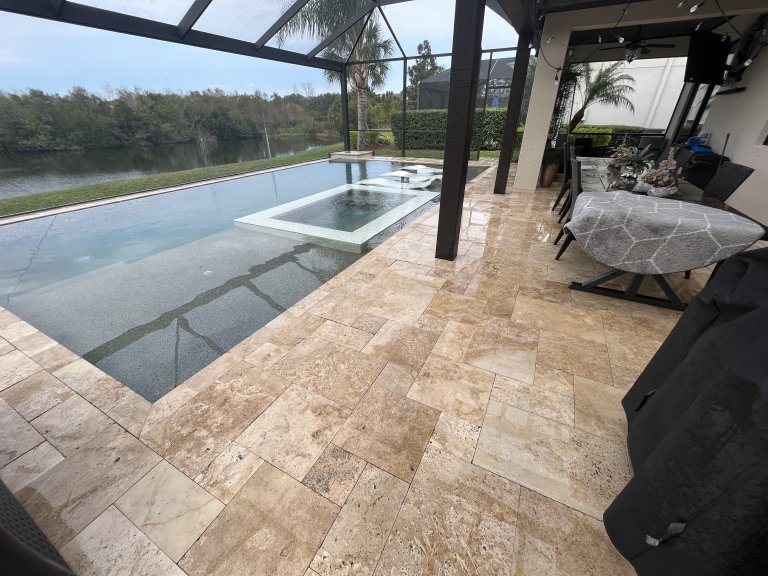
Spring cleaning pressure washing in Florida looks different than it does anywhere else in the country. Between the humidity, the pollen, the afternoon storms, and the biological growth that never fully stops in our climate, Florida homeowners are working against a year-round accumulation of grime by the time March rolls around. The good news is that a well-planned exterior cleaning before the rainy season sets in can protect your home, extend the life of your surfaces, and save you from significantly more expensive repairs down the road.
This checklist walks through the right order to clean your home's exterior, why sequence matters, and what every Florida homeowner should know before picking up a pressure washer or calling a pro.
The Florida Homeowner's Exterior Cleaning Priority List
Most homeowners think about pressure washing in terms of what looks the dirtiest. That's understandable, but it's not the most effective approach. Cleaning from the top down prevents you from contaminating surfaces you've already cleaned and ensures runoff doesn't create new staining. Here's the order that professional crews follow.
1. Roof and Gutters
Start here. Algae, lichen, and black streaks on Florida roof surfaces aren't just cosmetic — they're actively degrading your shingles or tile. The dark discoloration commonly seen on Florida roofs is caused by Gloeocapsa magma, a cyanobacteria that feeds on the limestone filler in asphalt shingles. Left untreated, it shortens roof life measurably.
Roof surfaces require soft washing, not high-pressure cleaning. Standard pressure washing on asphalt shingles voids most manufacturer warranties. A low-pressure application of a properly diluted cleaning solution is the correct method. Clear your gutters first or immediately after so any dislodged debris has a clean path out.
2. Siding and Building Exterior
Florida homes built with stucco, painted concrete block, or vinyl siding all face the same problem: biological growth. Mold and algae thrive in shaded areas, particularly on north-facing walls and under soffits where moisture accumulates. Soft washing building exteriors removes these organisms at the root rather than just rinsing the surface.
Cleaning the exterior walls before addressing ground-level surfaces means any overspray or runoff doesn't re-contaminate your driveway or pool deck after you've cleaned them.
3. Driveway and Sidewalks
Driveways take a beating in Florida. Oil stains, tire marks, tannin staining from oak leaves, and algae on shaded sections are all common. Concrete driveways benefit from rotary surface cleaning, which delivers even coverage without the streaking that a single wand creates.
Pre-treating oil stains before surface cleaning is a step many homeowners skip. Without pre-treatment, high pressure alone rarely fully lifts embedded oil from porous concrete.
4. Pool Deck
Pool decks accumulate calcium deposits from splash water, algae in textured surface grooves, and sunscreen residue that darkens over time. These surfaces also present the most significant slip-and-fall risk of any surface on your property. Regular cleaning is as much a safety issue as a maintenance one.
Surface type matters here. Travertine, pavers, and brushed concrete each have different pressure tolerances and cleaning requirements. Travertine in particular is a soft stone that can be permanently etched by high-pressure equipment in the wrong hands. For our full breakdown of what to expect from a professional exterior cleaning visit, see our professional pressure washing services page.
5. Pavers and Hardscaping
If your home has paver driveways, walkways, or a paver patio, these surfaces need attention before the rainy season for a specific reason: once moisture is consistently trapped under pavers during summer storms, weed growth and sand joint erosion accelerate rapidly. Cleaning pavers in the spring, followed by re-sanding joints and sealing, gives you the best possible protection heading into Florida's rainy season.
Pavers that haven't been sealed are particularly vulnerable. An unsealed paver surface is porous, meaning it absorbs staining from organic matter, oils, and minerals. Cleaning followed by sealing is the correct two-step approach. Learn more about our services across the region on our services overview page.
6. Fencing, Gates, and Entryway Features
Vinyl, aluminum, and wood fencing all accumulate mold and algae differently, but all benefit from annual cleaning. Entryway columns, mailbox posts, and decorative stonework round out the full exterior cleaning picture. These surfaces are often the last cleaned but the first thing visitors notice.
Why Waiting Until After Rainy Season Is a Costly Mistake
It's tempting to wait until summer storms have passed to clean your home's exterior. The logic seems to make sense. But in practice, waiting until fall means your surfaces have spent six months in Florida's most aggressive biological growth conditions without any intervention.
Mold and algae establish root systems in porous surfaces within weeks, not months. By the time the rainy season ends, organic growth that could have been soft-washed in the spring may now require more aggressive treatment, pre-treatment chemicals, or in some cases, surface restoration rather than simple cleaning. Cleaning before the rainy season removes existing growth and reduces the foothold that new growth can gain during the summer. It's a significantly better investment of your maintenance budget.
For homeowners in Lakeland and the Polk County area, our Lakeland exterior cleaning services are scheduled specifically around this seasonal window.
Professional Equipment vs. Big-Box Rentals: What the Numbers Actually Mean
Hardware store pressure washer rentals typically deliver between 1,500 and 2,000 PSI at a flow rate of 1.5 to 2 GPM. Professional-grade hot and cold water units used by exterior cleaning companies operate at 3,000 to 4,000 PSI with flow rates of 4 GPM or higher. That difference in GPM (gallons per minute) is often more important than the PSI rating for effective cleaning.
| Factor | Rental Unit | Professional Unit |
|---|---|---|
| PSI Range | 1,500 – 2,000 | 3,000 – 4,000+ |
| GPM (Flow Rate) | 1.5 – 2.0 | 3.5 – 5.0 |
| Hot Water Capability | Rarely available | Available for oil/grease |
| Surface Cleaner Attachment | Uncommon | Standard |
| Soft Wash Capability | No | Yes |
Beyond equipment specs, the risk with DIY pressure washing is surface damage. Stripping paint, etching concrete, blowing water behind siding, and damaging window seals are all common results of incorrect nozzle selection or distance control. For delicate surfaces like roof tiles, stucco, and pavers, the cost of one DIY mistake can easily exceed the cost of hiring a professional for the year. For a deeper look at common errors homeowners make, Bob Vila's pressure washing guide and the Angi pressure washing tips resource both cover this in detail.
Frequently Asked Questions
What is the best time of year to pressure wash a house in Florida?
Late winter through early spring (February through April) is the optimal window for most Florida homeowners. Cleaning before the rainy season removes accumulated biological growth and prepares surfaces to withstand six months of heat and heavy moisture. Waiting until fall means your surfaces have already endured the most aggressive growth period of the year without protection.
What should I pressure wash first on the outside of my house?
Always clean from the top down. Start with the roof, then gutters, then exterior walls, then ground-level surfaces like the driveway and pool deck. This prevents runoff and debris from re-contaminating areas you've already cleaned. For a full priority breakdown, the HouseLogic spring maintenance checklist is a reliable general reference.
Can I pressure wash my own driveway and pool deck in Florida?
You can, but there are real risks involved if you're working with rental equipment without experience. Incorrect pressure on pool deck surfaces like travertine can cause permanent etching. Driveways cleaned without a rotary surface cleaner often end up with streaking. If you're uncertain about the surface type or the correct pressure settings, a professional consultation is worth the call before you risk surface damage.
How often should Florida homeowners pressure wash their exterior?
For most Florida homes, an annual exterior cleaning is the minimum recommendation. Homes with heavy tree canopy, lake or pond frontage, or shaded north-facing walls may benefit from cleaning every six months. Pool decks and high-traffic hardscaping typically warrant cleaning two to three times per year depending on usage. For questions specific to your property, our pressure washing FAQ page covers the most common questions we hear from Florida homeowners.
Spring is the right time to get ahead of Florida's rainy season, not catch up after it. If you're a homeowner in the Lakeland, Lakewood Ranch, or greater Polk County area and want an exterior cleaning assessment before summer sets in, we're ready to help.